
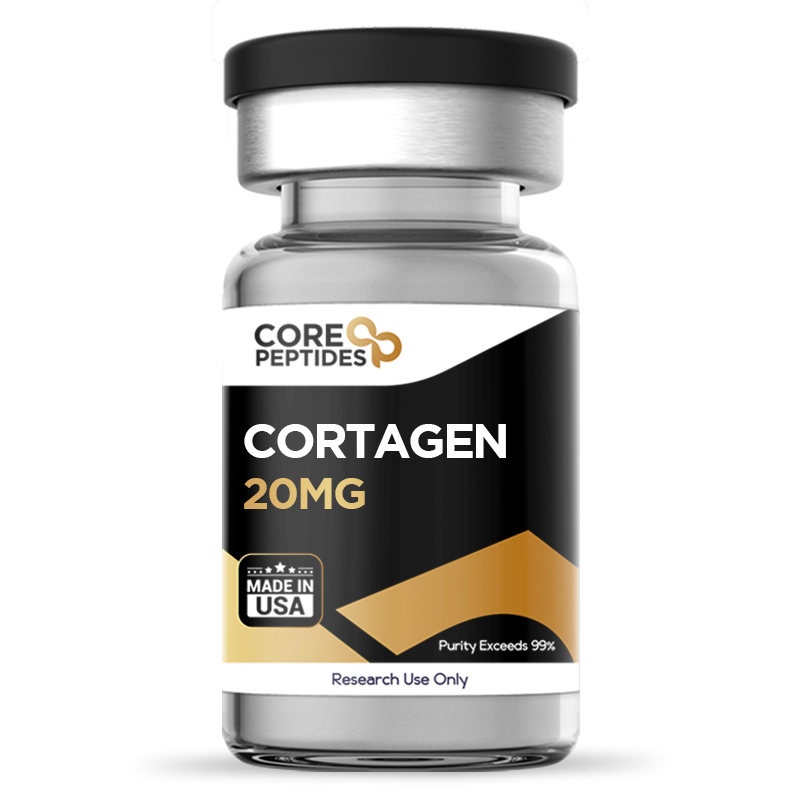
Cortagen (20mg) Research Peptide – Core Peptide USA
Cortagen (20mg) is a synthetic tetrapeptide widely studied in laboratory and experimental research for its potential role in epigenetic regulation, cellular stress signaling, and neurological pathways. Originally developed from amino acid analysis of the naturally occurring polypeptide complex cortexin, Cortagen belongs to a family of short regulatory peptides commonly known as Khavinson peptides.
At Core Peptide USA, we supply Cortagen (20mg) exclusively for research and laboratory purposes to qualified researchers within the United States. Our peptides are produced under stringent quality control standards to support consistency, reliability, and reproducibility in experimental settings.
What Is Cortagen?
Cortagen is a synthetic tetrapeptide with the amino acid sequence Ala–Glu–Asp–Pro (AEDP). Unlike classical peptides that act primarily through receptor binding or enzyme inhibition, Cortagen is classified as a peptide bioregulator. Research suggests that peptides in this category may interact more directly with intracellular regulatory systems, potentially influencing gene expression and chromatin structure.
Due to its low molecular weight, Cortagen has been proposed to penetrate cells efficiently in experimental models, where it may reach the nucleus and interact with DNA or chromatin-associated proteins. This characteristic has made Cortagen (20mg) a subject of interest in epigenetic and cellular aging research.
Chemical Makeup of Cortagen (20mg)
-
Sequence: Ala–Glu–Asp–Pro (AEDP)
-
Molecular Formula: C₁₇H₂₆N₄O₉
-
Molecular Weight: 430.4 g/mol
-
Other Names: Cortagen peptide, AEDP
-
Category: Synthetic tetrapeptide / Khavinson peptide
Researchers frequently select Cortagen (20mg) for experiments requiring precise peptide concentration and reproducible molecular structure.
Epigenetic Research and Cortagen
One of the most compelling research areas involving Cortagen (20mg) is its proposed epigenetic activity. In vitro studies suggest that Cortagen may interact with specific DNA motifs, including AACC sequences, which could potentially support transcriptional activity at targeted gene sites.
Research conducted by Lezhava et al. explored Cortagen’s interaction with chromatin in aged cell cultures. Their findings suggested that Cortagen exposure was associated with decondensation of heterochromatin, potentially restoring transcriptional accessibility in genes previously suppressed by cellular aging. This effect was interpreted as partial unfolding of higher-order chromatin structures, which may allow enhanced ribosomal gene activity and protein synthesis capacity in experimental models.
For researchers studying cellular aging, chromatin remodeling, or gene expression, Cortagen (20mg) may serve as a valuable laboratory research tool.
Cortagen and Oxidative Stress Research
Additional laboratory studies have examined Cortagen (20mg) in the context of oxidative stress signaling. Research by Kozina et al. suggested that Cortagen exposure was associated with reduced markers of lipid peroxidation and oxidative protein modification in neural cell cultures.
Interestingly, Cortagen did not appear to act as a direct antioxidant. Instead, the peptide may influence upstream regulatory mechanisms that affect how cells respond to oxidative stress. This indirect modulation has positioned Cortagen (20mg) as a peptide of interest for researchers studying cellular defense mechanisms and oxidative balance in integrated biological systems.
Cellular Stress Response and Differentiation Studies
Transcriptomic studies involving Cortagen have shown changes in gene expression linked to cellular stress response, membrane transport, and intracellular signaling pathways. Research by Anisimov et al. indicated that Cortagen may influence genes related to mitochondrial function, ionic homeostasis, and intracellular transport processes.
Further experimental work suggested that Cortagen exposure may support cellular differentiation in pluripotent cell cultures. In laboratory models, pluripotent ectodermal cells exposed to Cortagen differentiated into multiple cell types, compared to limited differentiation in control environments. These findings have generated interest in Cortagen (20mg) as a research peptide for studying developmental biology and transcriptional regulation.
Neurological and Nerve Regeneration Research
Cortagen (20mg) has also been investigated in neurological research models. Studies examining neural network signaling suggested that Cortagen may support activation of circuits associated with arousal and exploratory behavior without amplifying stress-related signaling pathways.
In nerve regeneration research, Cortagen was studied in sciatic nerve injury models. Experimental data suggested improved conduction velocity and increased impulse transmission length in treated samples. Researchers interpreted these findings as potential markers of improved functional maturation, possibly linked to enhanced myelination and fiber development in experimental systems.
Why Buy Cortagen (20mg) from Core Peptide USA?
Core Peptide USA is a trusted supplier of high-purity research peptides in the United States. When purchasing Cortagen (20mg) from our website, researchers benefit from:
-
U.S.-based distribution
-
Rigorous quality control standards
-
Clear labeling for laboratory research use
-
Reliable customer support
Explore related research peptides in our collection, such as:
For additional scientific background, researchers may reference external sources such as:
-
National Center for Biotechnology Information (NCBI)
-
PubChem compound databases
-
Peer-reviewed peptide research journals
Be the first to review “Cortagen (20mg)”
Related products
Peptides for sale
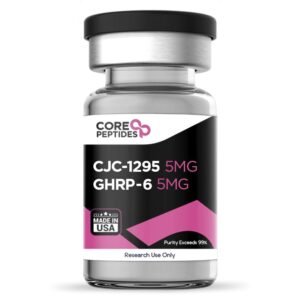
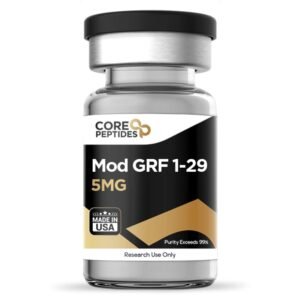
Peptides for sale
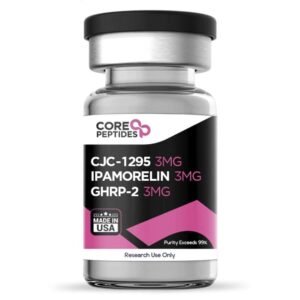
Peptides for sale
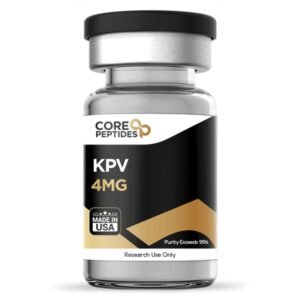
Peptides for sale
Peptides for sale
Peptides for sale
Peptides for sale
Reviews
There are no reviews yet.